
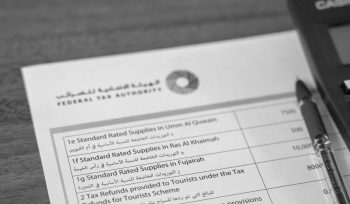
SBR (Small Business Relief) gives qualifying UAE companies a 0% CIT rate, but the conditions are strict and the current threshold ends on 31.12.2026.

Discover the key takeaways from the stakeholder consultation, including calls for greater transparency, practical comparisons with the traditional gratuity model, and stronger awareness efforts.

Most UAE businesses must appoint an Accredited Service Provider for e-invoicing, even those that never issue an invoice, and the deadlines are approaching.

What DACH businesses should consider before establishing a company in the UAE, based on a UAE delegation meetings with German firms.

Two of Dubai's most prominent business communities have announced immediate support measures to ease financial and operational pressures on companies.

Dubai's AED 1 billion economic support package introduces a three-month deferral on key business fees and hospitality charges, effective 01.04.2026.

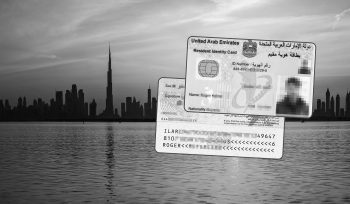
Your UAE Pass connects to bank accounts, government portals, and company records, making it a target for fraudulent schemes that every business owner and resident must learn to recognise and prevent.
Dubai now stands among the world's top financial centres, alongside London, New York, and Singapore.
Since the start of March 2026, UAE ports have processed over 25,000 containers, and here is what that means for businesses in the UAE.
The programme is offering eligible businesses a non-refundable tax credit of up to 50% on qualifying expenditure.
Both the CBUAE and S&P are saying the same thing: the UAE's financial system is resilient, liquid, and ready.

Regional conflict is casting a shadow over the UAE property market, slowing transactions and dampening sentiment, even as developers and policymakers retain tools to support stability.
The UAE now allows residents to complete their mandatory medical fitness test for visa renewal from home, with a qualified medical team visiting at a scheduled time.